
Who MineCourt is for
- A sports venue that wants court bookings, schedules, memberships and the counter in one system.
- A company running several venues, where each venue manager runs their own courts and the owner reads memberships and reports across all of them.
- A venue with a player community, where bookings turn into games: open slots for others to join, teammates found through the platform, and tournaments.
- An agency whose client runs sports venues. We deploy MineCourt together with the agency, under the agency's name, as described further down.
Where MineCourt runs
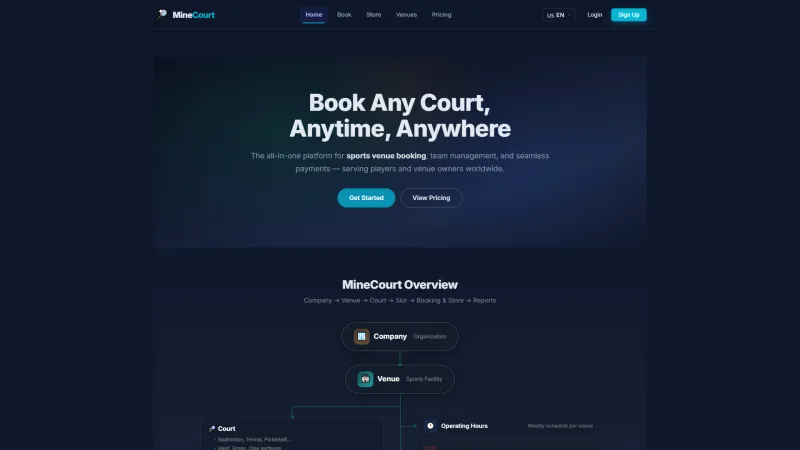
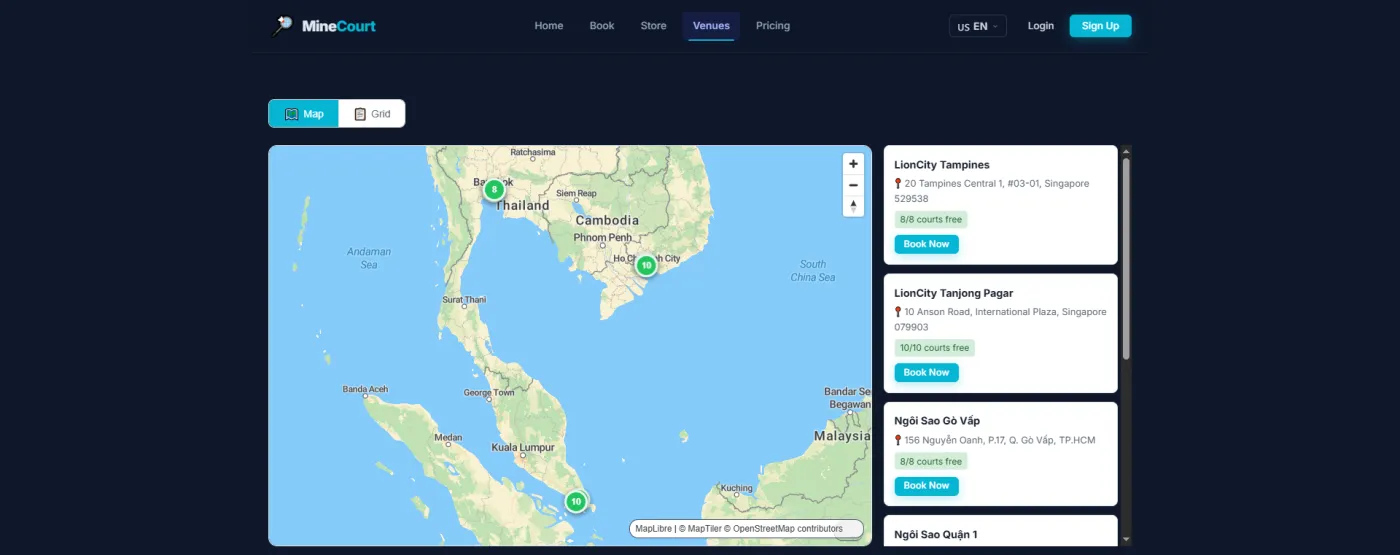
MineCourt is in production at minecourt.com, where badminton venues in Ho Chi Minh City take court bookings online, among them Hoàng Phúc Badminton in Tân Bình and the Ngôi Sao courts in Gò Vấp, District 1, District 3 and District 12. Players book slots against live availability, and each venue manages its own courts, pricing and bookings. The screenshots further down this page show the platform with demo data.
What is already in MineCourt
For players
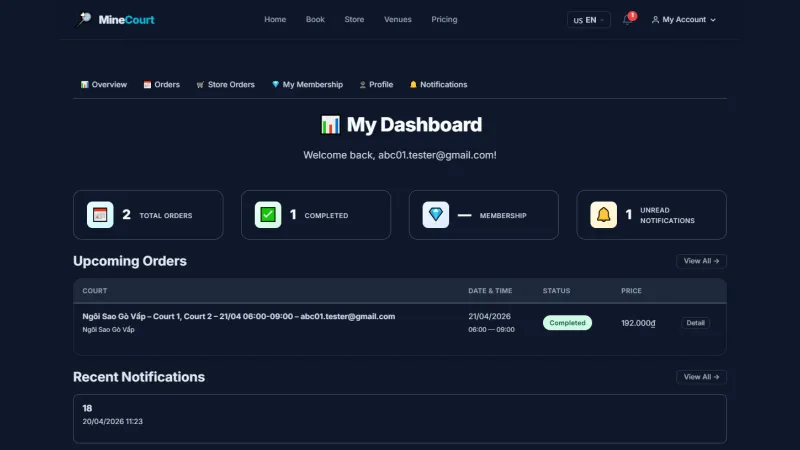
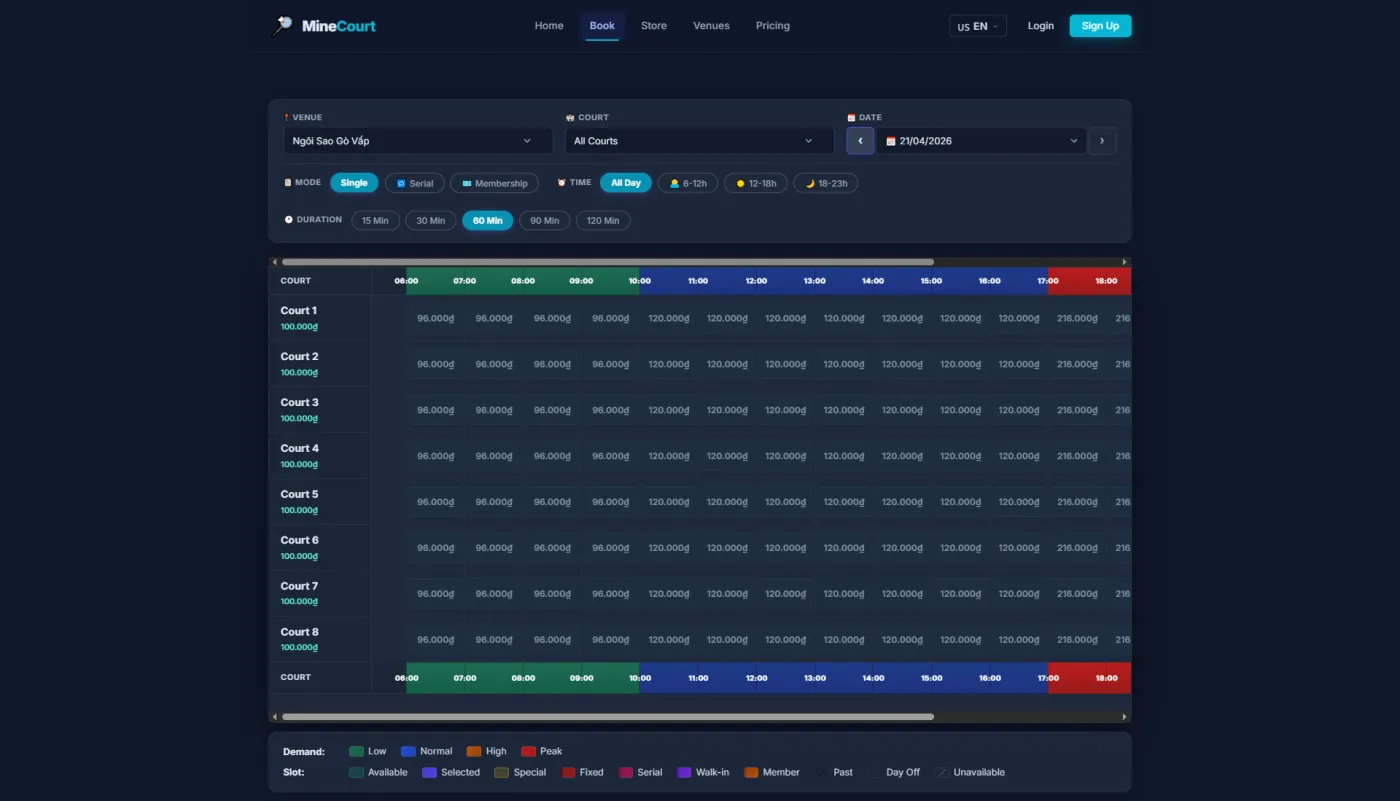
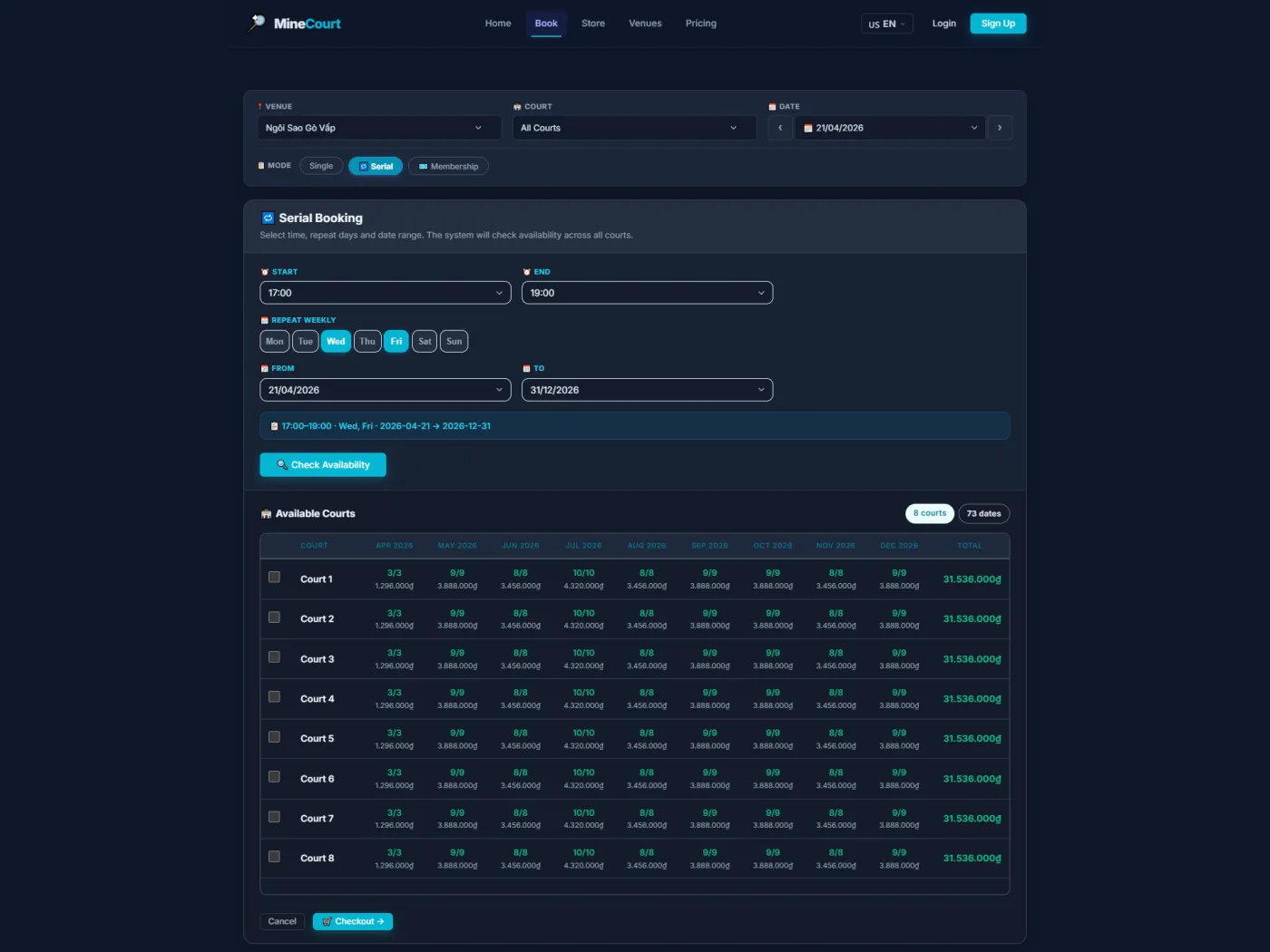
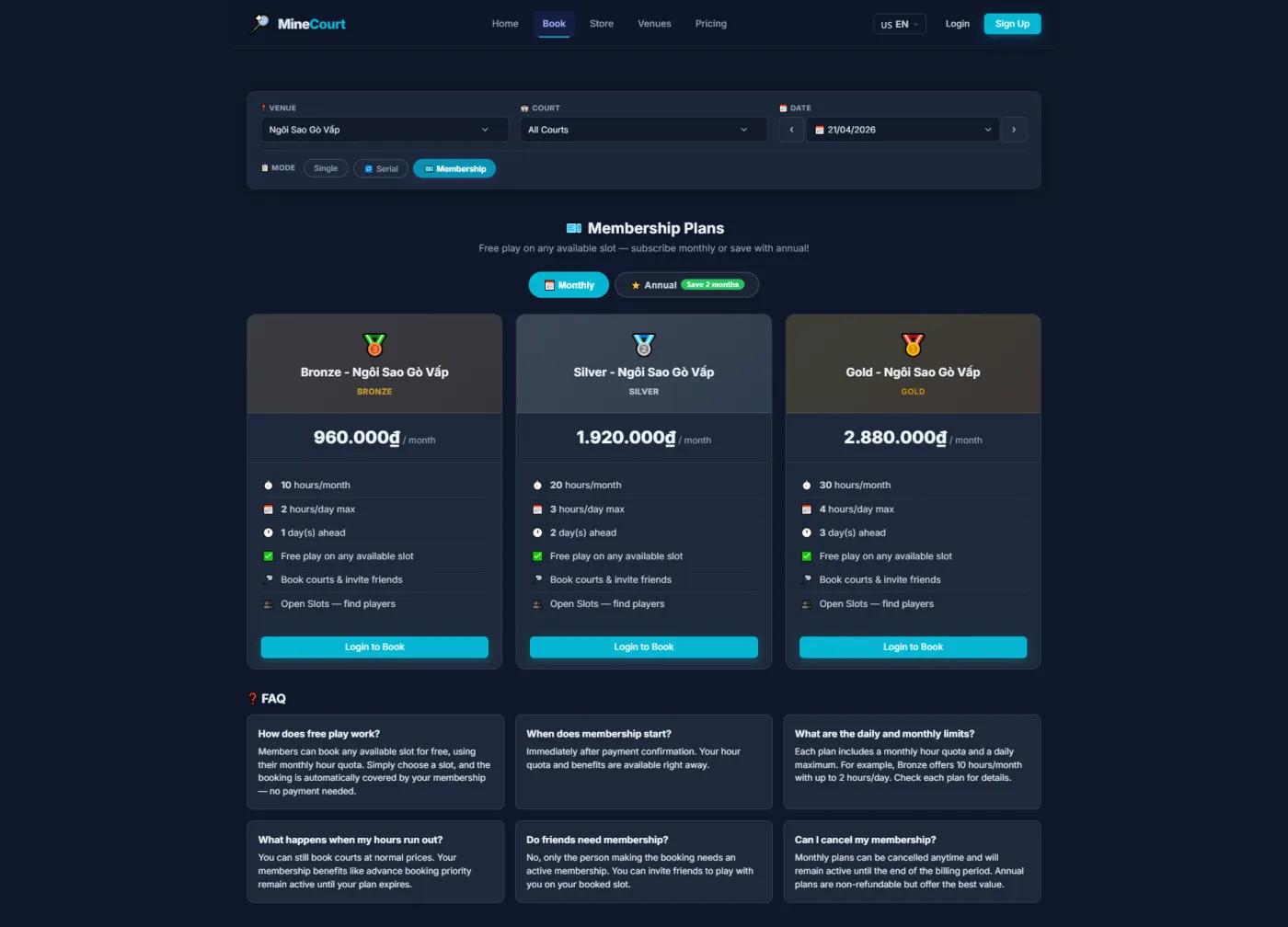
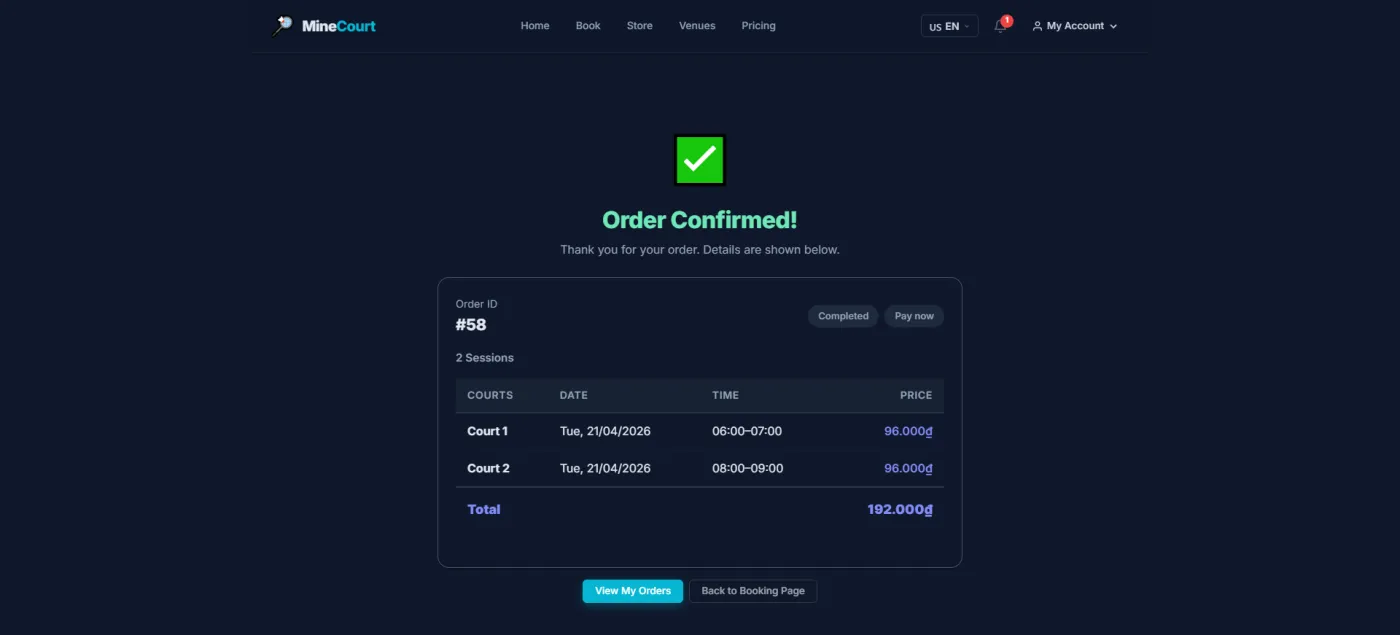
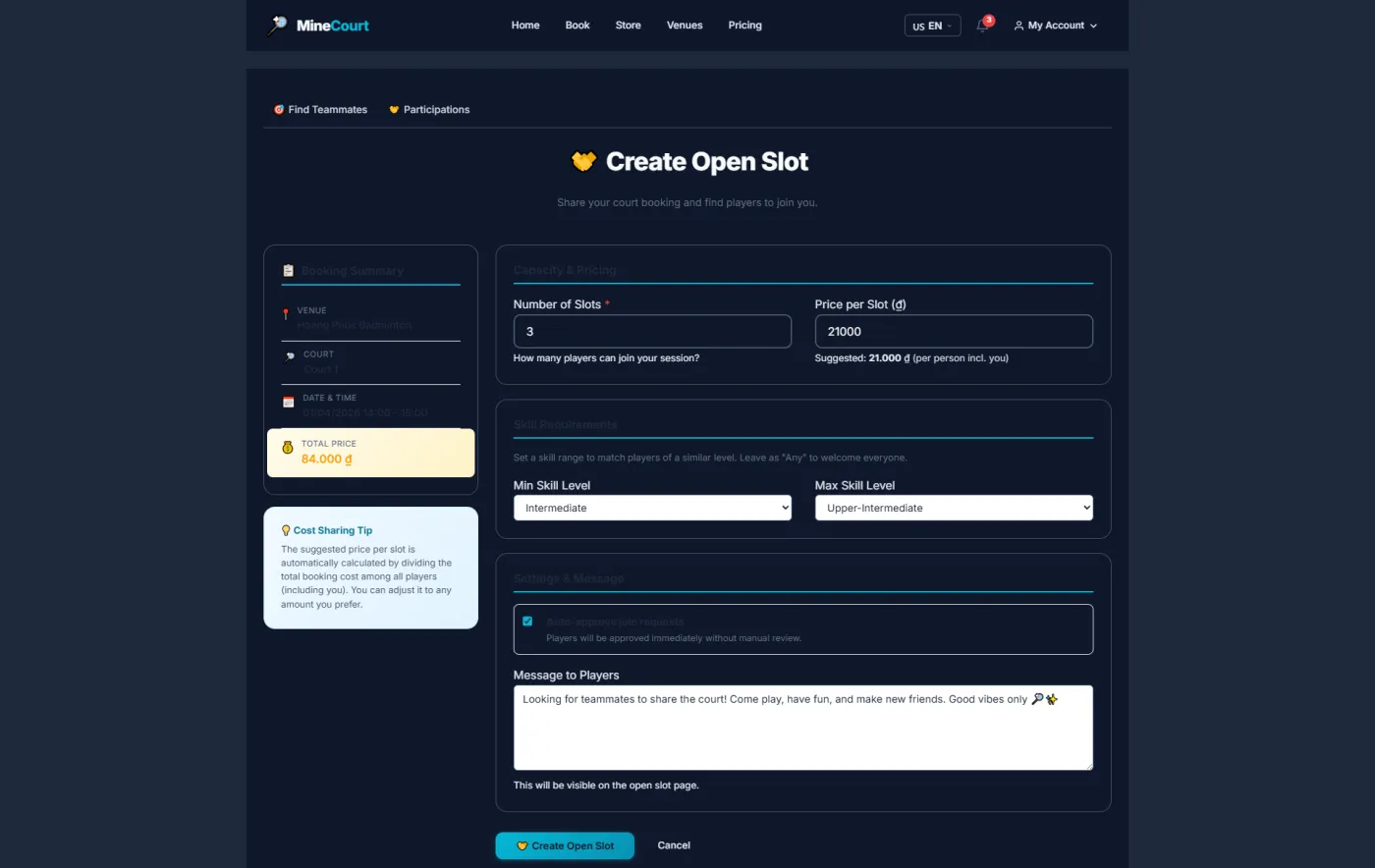
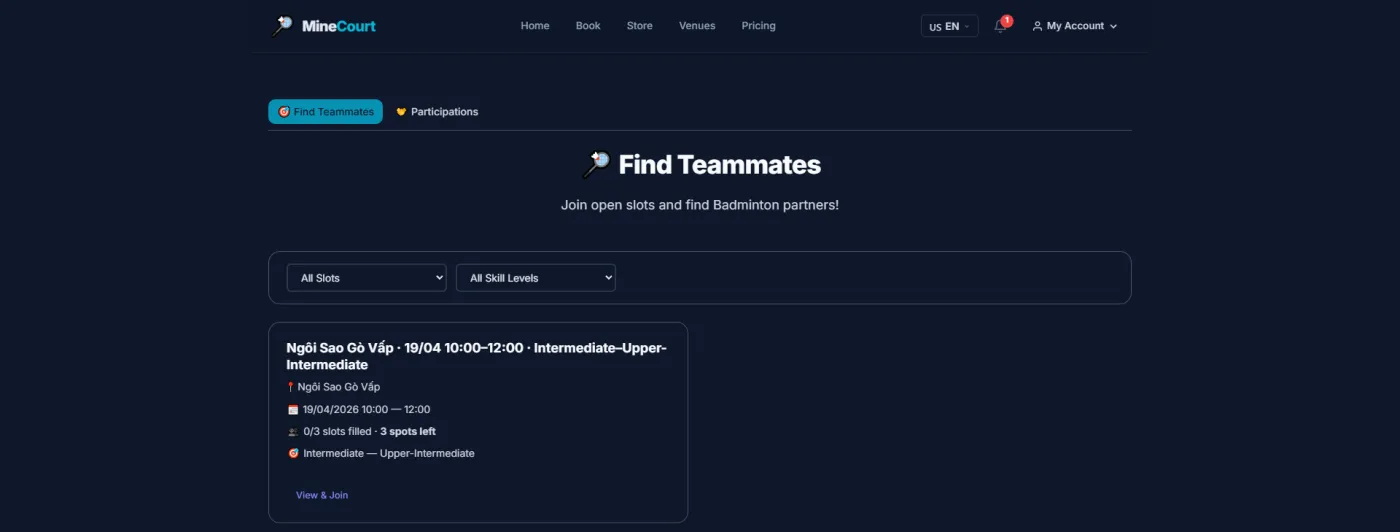
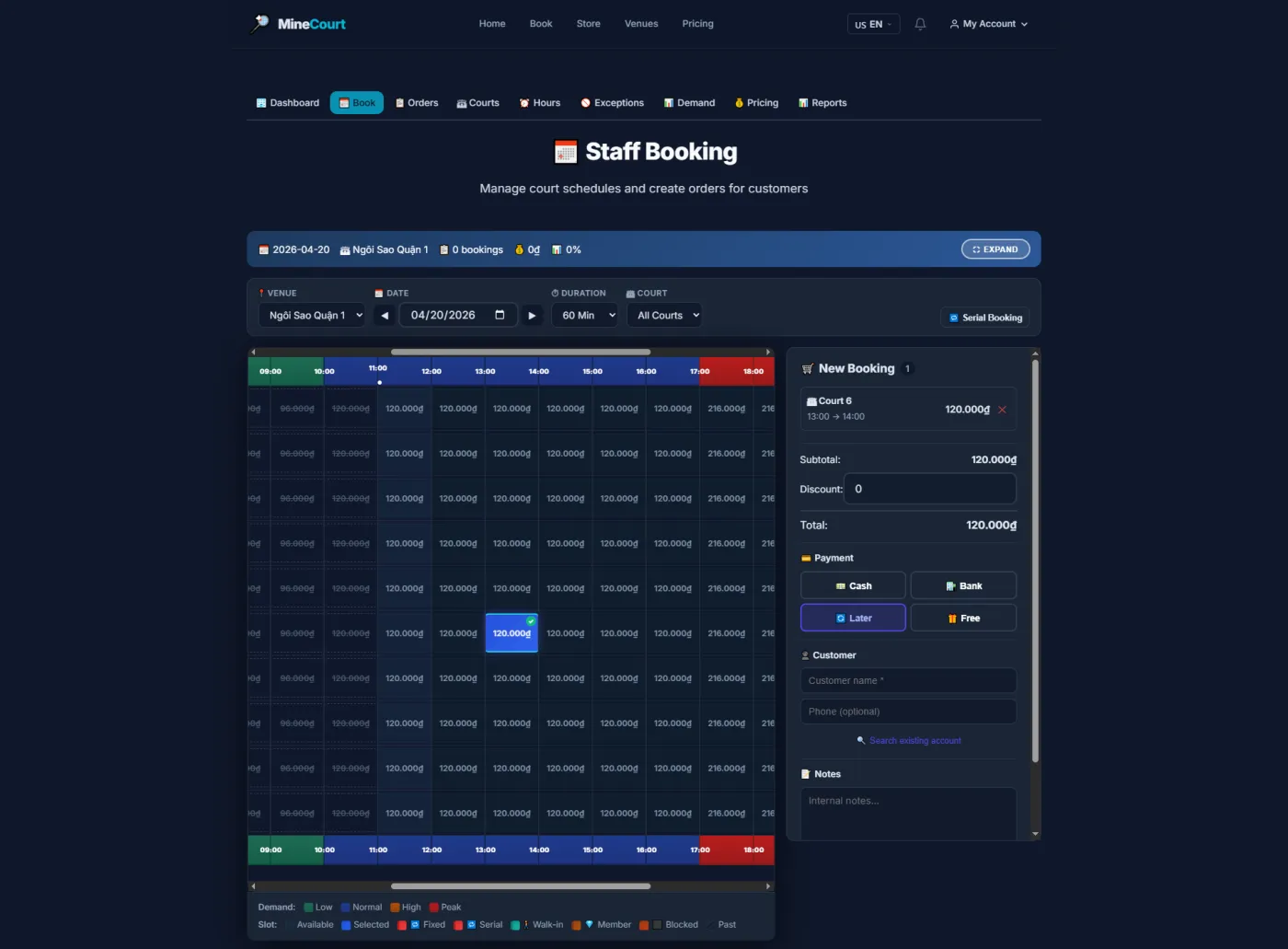
Players find a venue on a map or in a list, pick a court and a slot on a visual booking grid, and pay online or at the venue. Bookings can be single, serial or recurring, or made against a membership plan with its own quota. A booking can go straight to a game or open slots for other players to join, and players looking for a game are matched with teammates. Each booking is carried as a QR code for check-in, with notifications when something changes.
For venue managers and staff
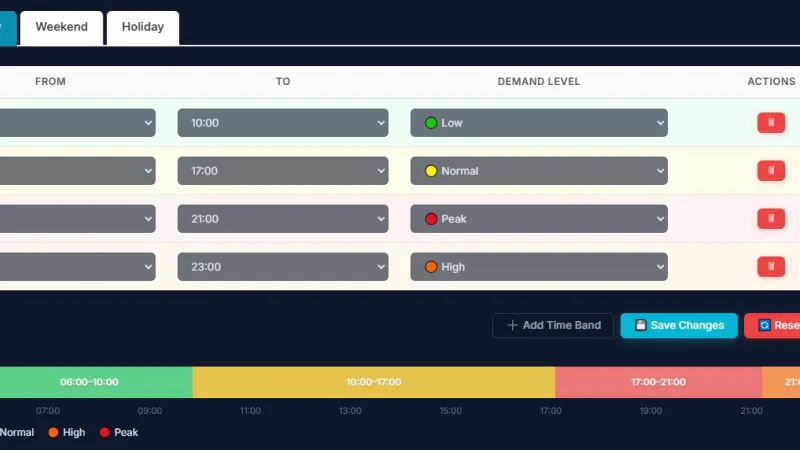
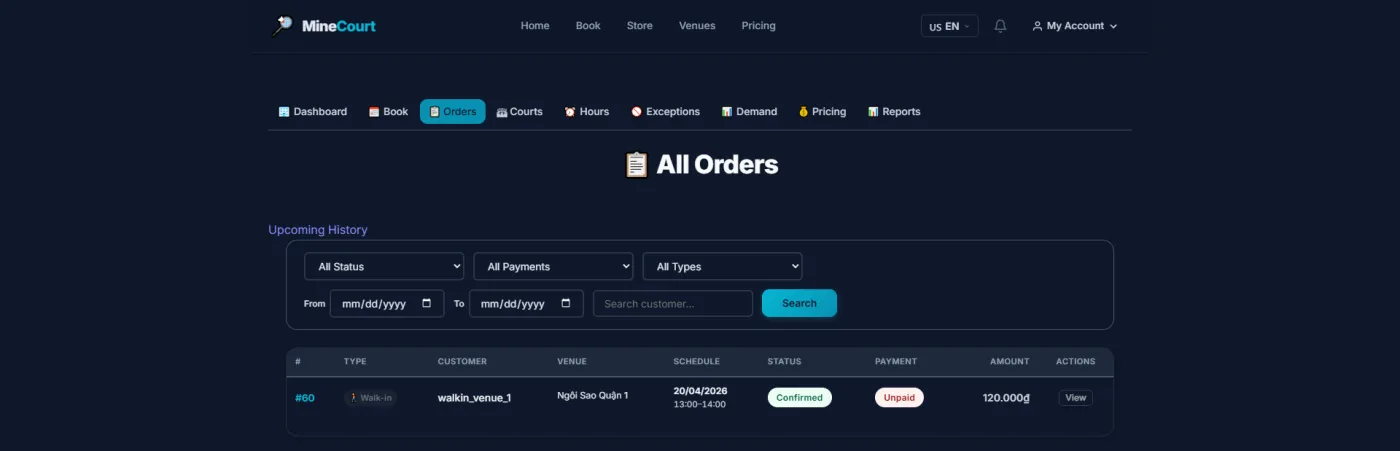
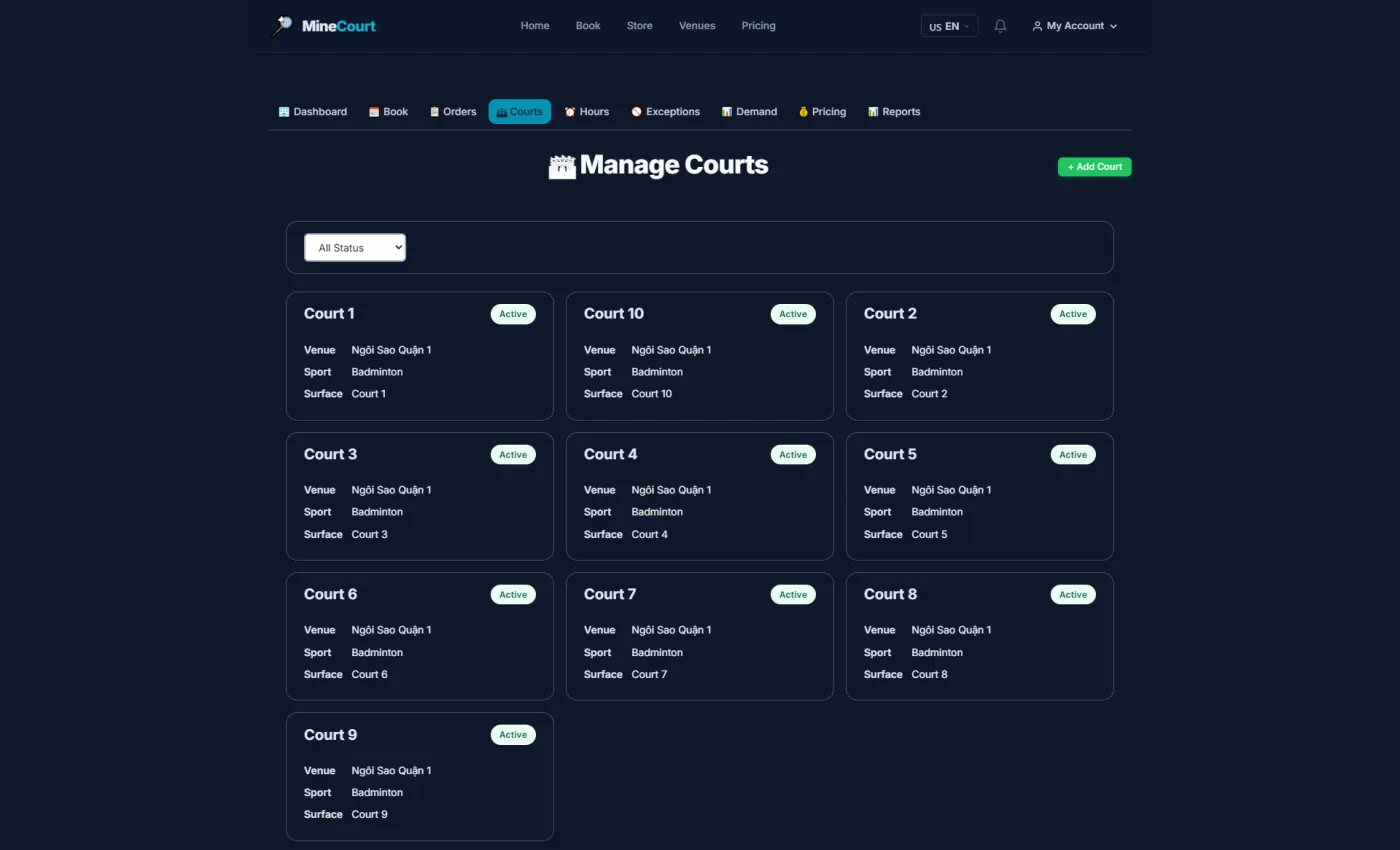
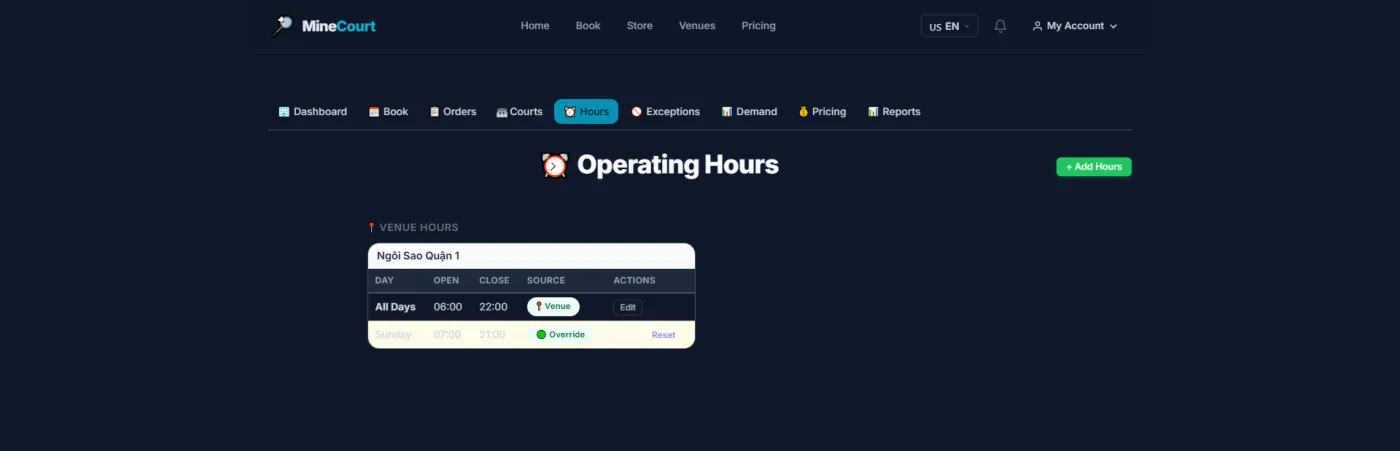
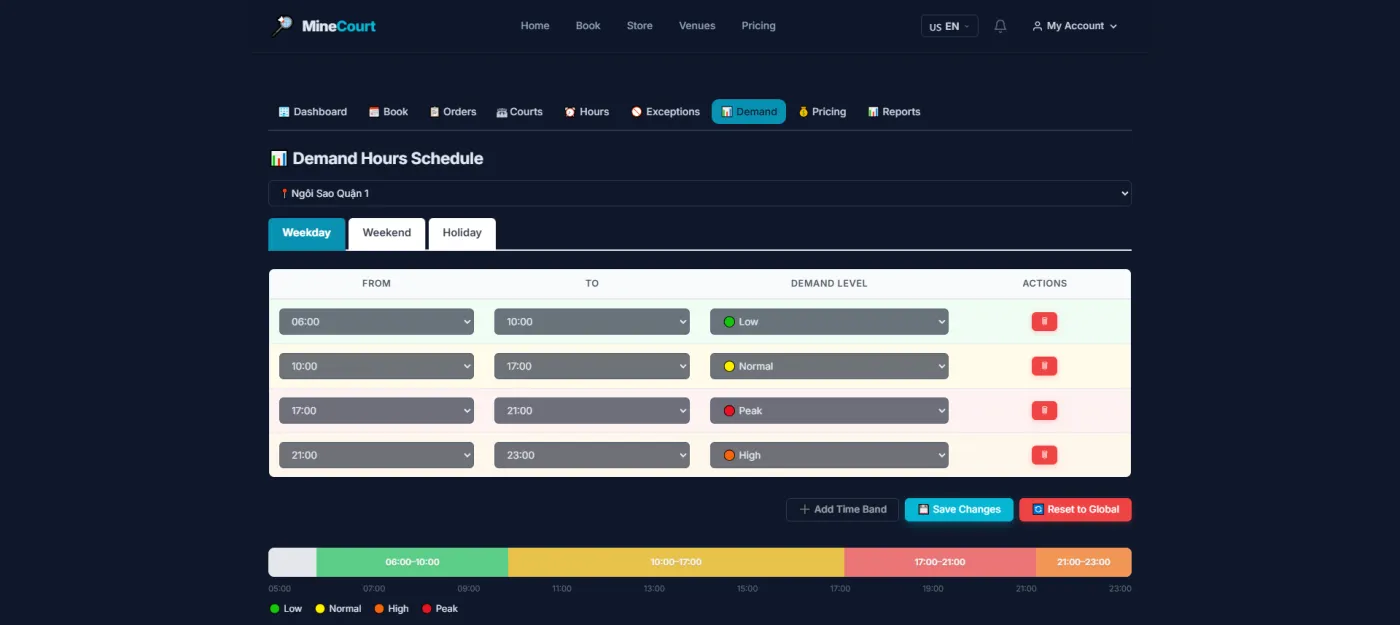
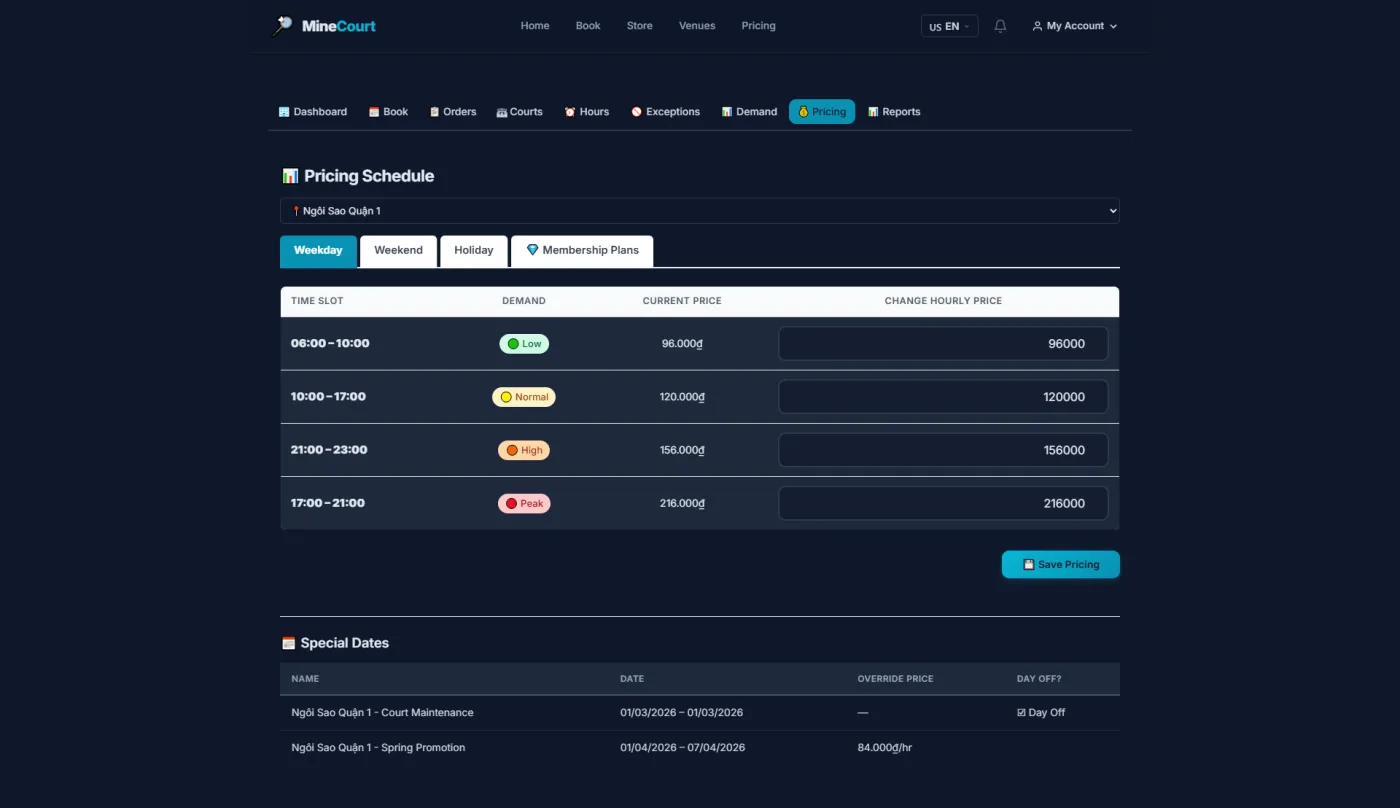
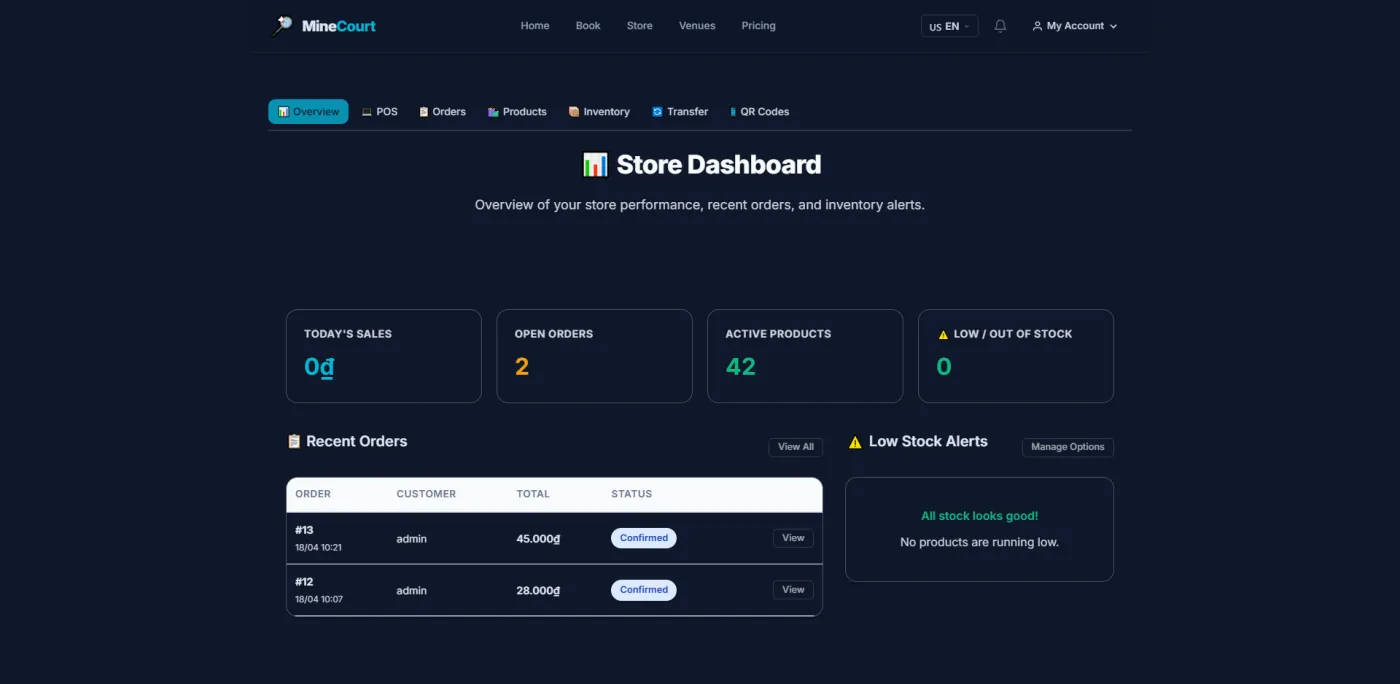
Venue managers set courts, operating hours, exceptions for holidays and maintenance, and slot generation. Prices come from a pricing engine that layers weekday, weekend, holiday and demand rates. Staff can book on a player's behalf at the desk, and the venue store sells products, food and drink and services at the counter, with stock and orders kept alongside the bookings.
For company owners and admins
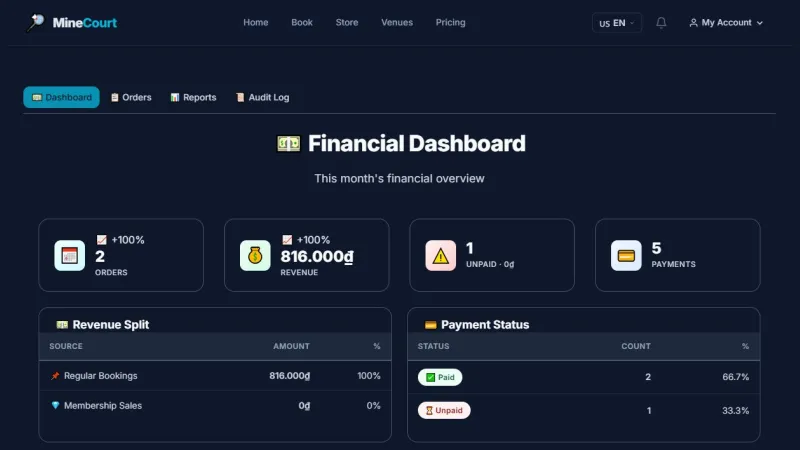
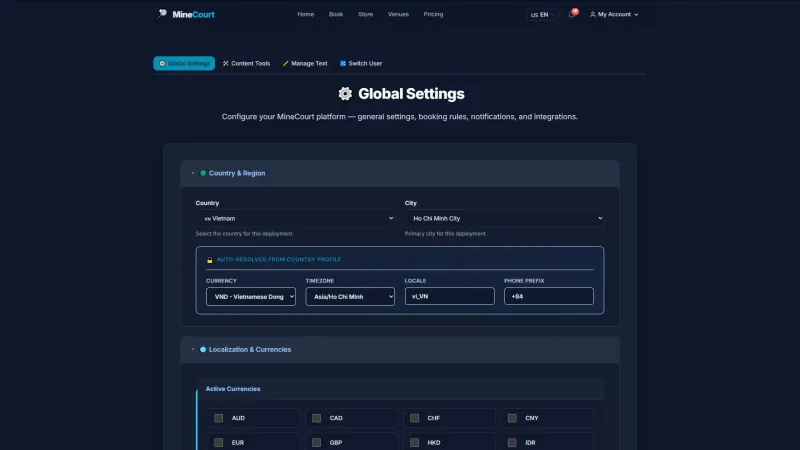
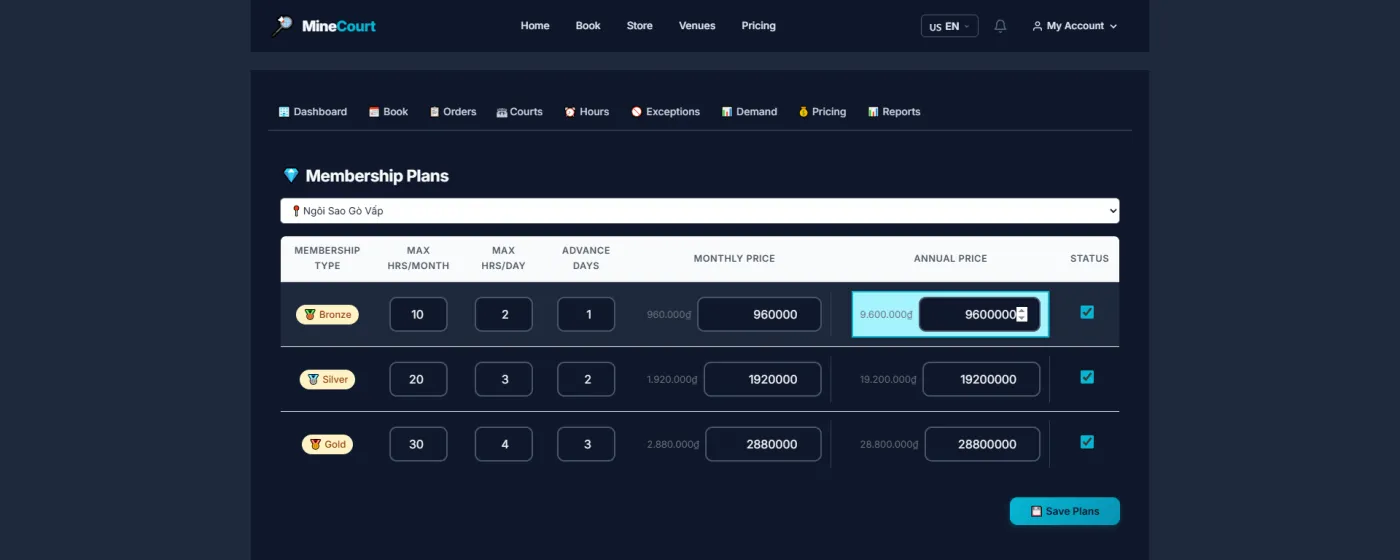
Roles are hierarchical, from the company owner through venue managers down to the player. The company owner manages venues, users and membership plans, and sees reports, financial dashboards and audit logs across every venue, including court utilisation. Admins manage content, users, taxonomies, translations and system settings.
Screens from MineCourt
 View full size
 View full size
 View full size
 View full size
 View full size
 View full size
 View full size
 View full size
 View full size
 View full size
 View full size
 View full size
 View full size
 View full size
 View full size
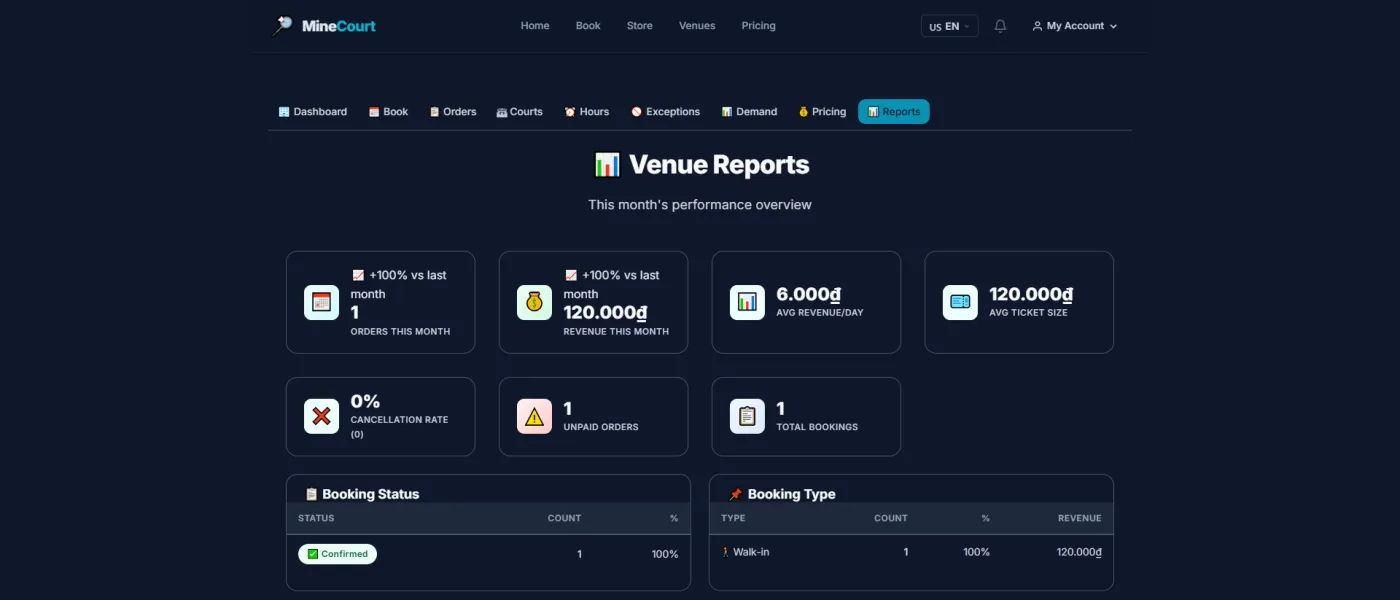 View full size
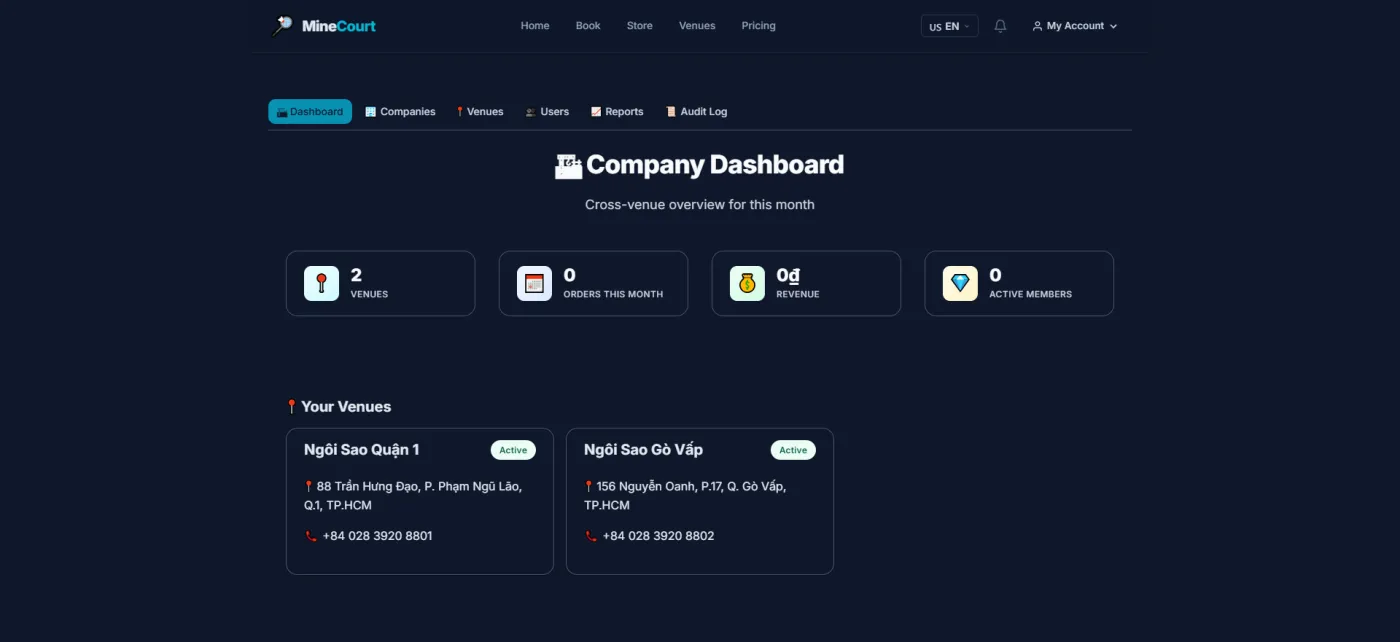 View full size
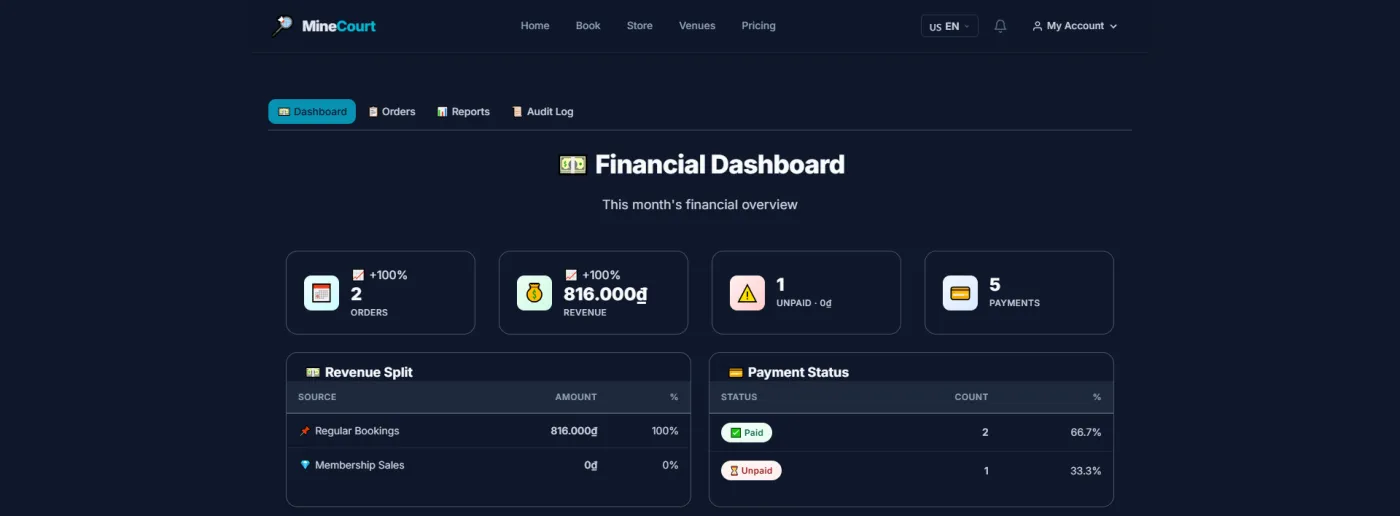 View full size
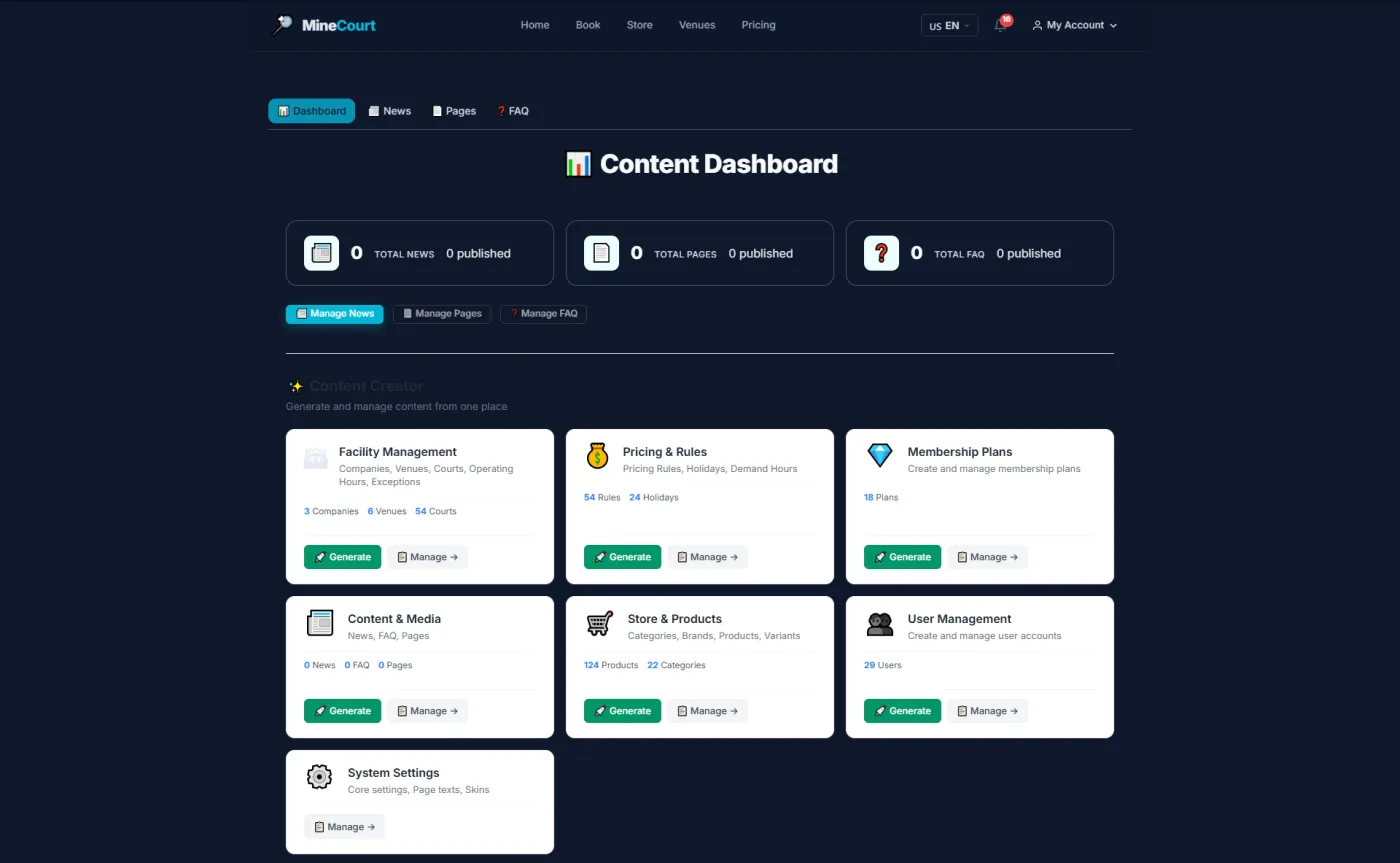 View full size
How MineCourt is built
MineCourt is built on Drupal 11 with a Vue.js 3 booking grid. The slot a player picks is held on a timer while the booking completes, so the same hour cannot be sold twice while someone is still paying. For operators in more than one city, city-level sites can connect to a central hub with single sign-on.
How we deploy and extend MineCourt
A MineCourt project starts from the version already in production, not from a blank build. The platform's own site is minecourt.com, and before anything is signed we walk through it with you one role at a time: the player booking a court, the venue manager running the day and the owner reading the reports.
What usually changes for a venue or an operator: the sports, courts and schedules; the pricing layers and membership plans; the rules for open slots and tournaments; the products, food and drink sold at the venue; the payment provider; languages; branding and domain; and connections to systems you already run. Customisation is kept apart from the platform core, so a core upgrade does not overwrite it. For an operator commissioning court booking system development or sports venue booking platform development, that is a development project starting from working software; the order of the work and the fit report are set out in how a platform implementation runs.
Sports and recreation clients are covered on the sports and recreation page.
For agencies
If your agency's client runs sports or leisure venues, we deploy and adapt MineCourt together with you, under your name, and your client receives the running system and its source code. You keep the client relationship; the partner programme sets out how a platform partnership works.
Hosting, source code and warranty
MineCourt runs on your own servers or cloud account, or on infrastructure we operate under a managed hosting agreement, and nothing proprietary runs on it, so the choice can be reversed. You receive the whole running system and its source code; what we build for your venues on top of the platform is a development project, and its source code is assigned to you: what you own.
Development work carries our warranty: one year by default, up to three, agreed in the contract before work starts, with the team that built it doing the fixing. Ongoing updates sit in a separate support and maintenance agreement. Venue staff are trained on your own courts and schedules, and the role guides below cover players, venue managers, owners and admins.
What it costs
A MineCourt deployment is placed in the project tiers on the pricing page like any other build, by what the finished system has to do: the venues and roles, the integrations, the records to move and the languages. What already runs in the platform is not charged as if it were written again; the price is for the part built for you, fixed once the fit report is agreed. The tiers run from Micro to Strategic, and the fit report says which one your deployment is in.
Questions about MineCourt
Can one company run several venues on it?
Yes. Each venue manager runs their own courts, schedules and store, and the company owner sees memberships, reports and audit logs across every venue from one account.
How are court prices set?
By a pricing engine that layers weekday, weekend, holiday and demand rates on each court's base price, with membership pricing on top. The layers are set by each venue, so two venues on the same platform can price differently.
Can the same slot be booked twice?
No. The slot a player picks is held on a timer while the booking completes, so the same hour cannot be sold again while someone is still paying.
Does it work for sports other than badminton?
The sports, courts and schedules are set up for each deployment. The venues running on minecourt.com today are badminton venues.
Where are bookings and player records kept?
On the system you choose to run it on: your own servers or cloud account, or hosting we operate for you. Each deployment is a system of its own, so bookings, memberships and player accounts stay in your database.
Tech stack
- Drupal 11
- Vue.js 3
- PHP 8.3
- MySQL
- Docker
- SSE