

Case study
Pacific NbS Resource Hub
A searchable hub of nature-based solutions material for the Pacific, with contributions reviewed before publication, built by us for SPREP from the sprep.org base.
An engineer reads it and replies within one business day.
The client
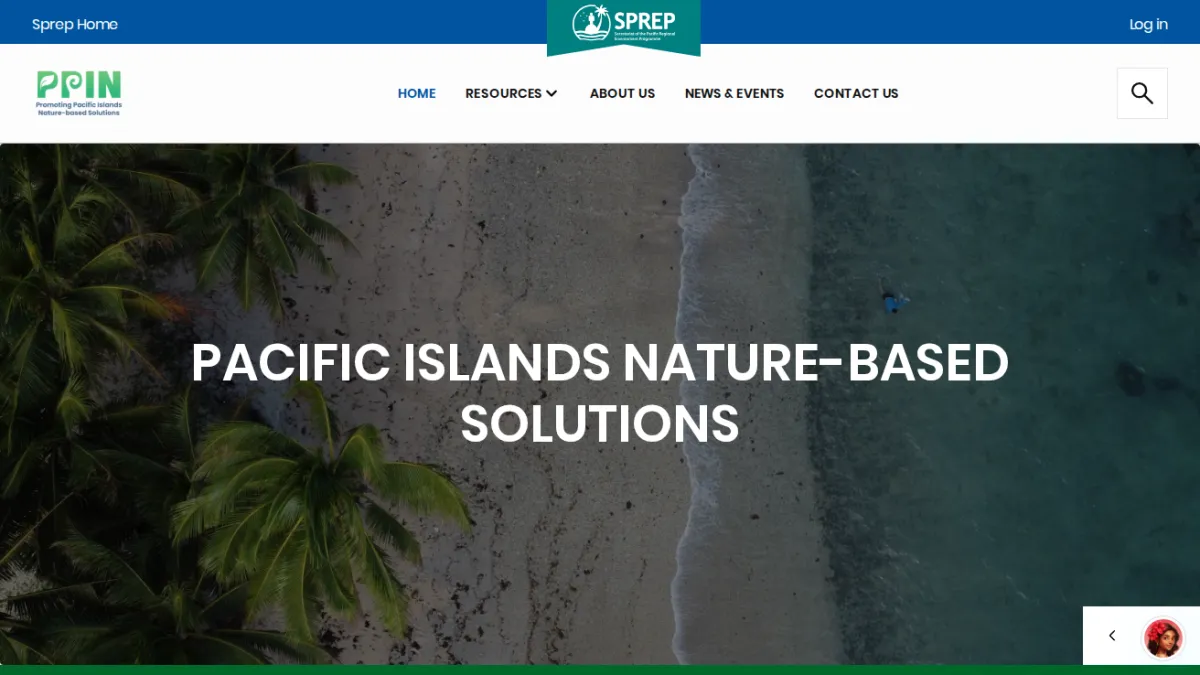
The Pacific NbS Resource Hub is run by the Secretariat of the Pacific Regional Environment Programme (SPREP) with the Nature-based Solutions Working Group (NbSWG), under the umbrella of the Pacific Islands Roundtable for Nature Conservation (PIRT). It was developed through the Promoting Pacific Island Nature-based Solutions (PPIN) project, which SPREP implements.
Nature-based solutions (NbS) are approaches that work with nature rather than against it: mangrove rehabilitation that protects coastlines and fisheries, ridge-to-reef watershed restoration that safeguards water and food security, agroforestry, and the protection of reefs, forests and wetlands. The hub's own framing is that the Pacific is on the frontline of climate change, biodiversity loss and development pressure, and that Pacific peoples' cultural and ecological traditions already align with these principles.
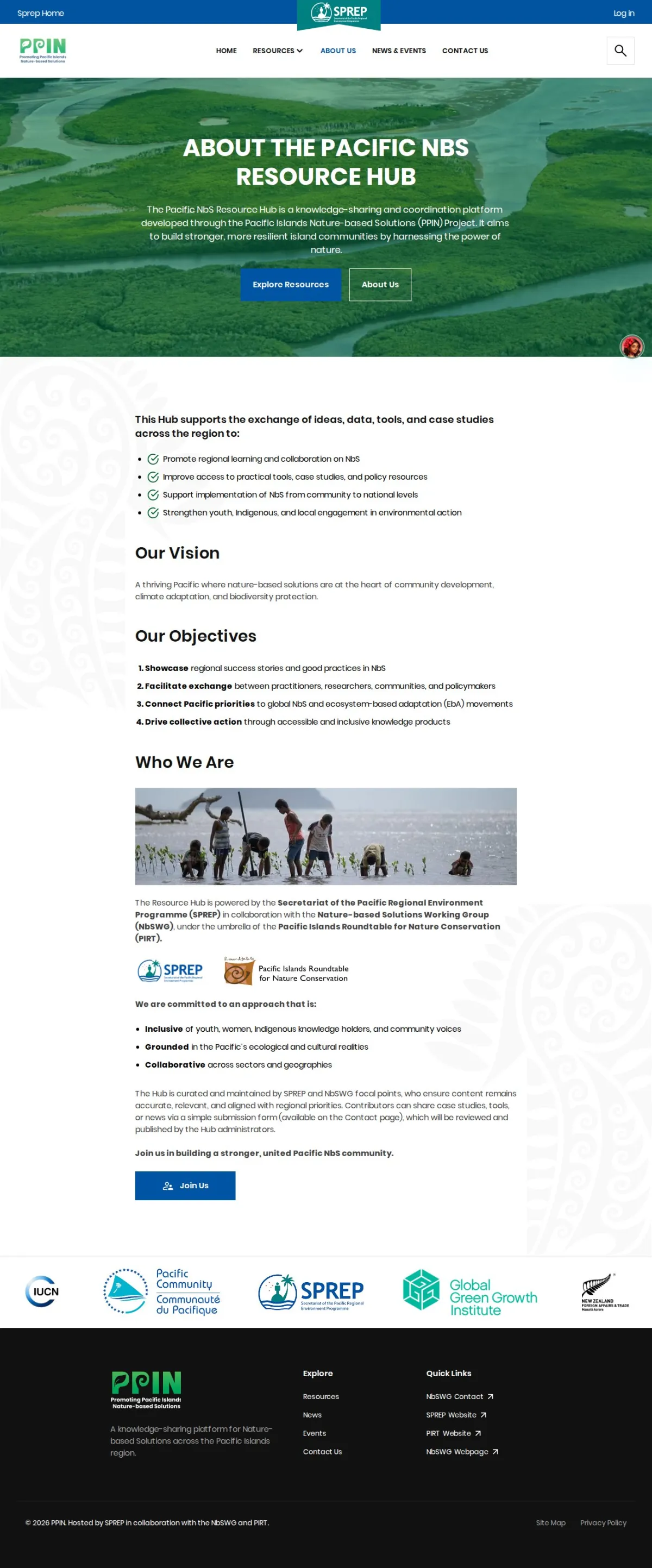
The hub is written for policy advisors, community organisers, students, ecosystem managers and anyone who wants to learn what NbS material exists for the Pacific. Its stated vision is a thriving Pacific where nature-based solutions are at the heart of community development, climate adaptation and biodiversity protection, and it commits to an approach that includes youth, women, Indigenous knowledge holders and community voices. Its content is curated and maintained by SPREP and NbSWG focal points.
The problem
The hub states what it is for: to promote regional learning and collaboration on NbS, to improve access to practical tools, case studies and policy resources, to support NbS from community to national level, and to strengthen youth, Indigenous and local engagement in environmental action. Its objectives add detail: showcase regional success stories and good practice, facilitate exchange between practitioners, researchers, communities and policymakers, connect Pacific priorities to global NbS and ecosystem-based adaptation work, and drive collective action through accessible and inclusive knowledge products.
Behind those aims is a practical need: to gather the material practitioners use in one searchable place rather than leave it scattered across agencies. That material comes from regional agencies, national governments, international bodies and community groups, and it takes very different forms: frameworks and guidelines, project profiles, funding calls, training kits, research and plain-language community guides. A useful collection has to hold all of these and let a reader narrow them by place and type. The hub also aims to include materials in local languages and in formats that reflect Pacific culture and context.
It also has to stay current and open to contributions. The hub describes itself as a shared space that its users' input keeps alive and relevant, with case studies, tools and news submitted by contributors and reviewed by the hub's administrators before publication.
What we built
We designed and built the hub in Drupal, starting from the base of the sprep.org site that we had redesigned for SPREP. What the site offers a visitor today:
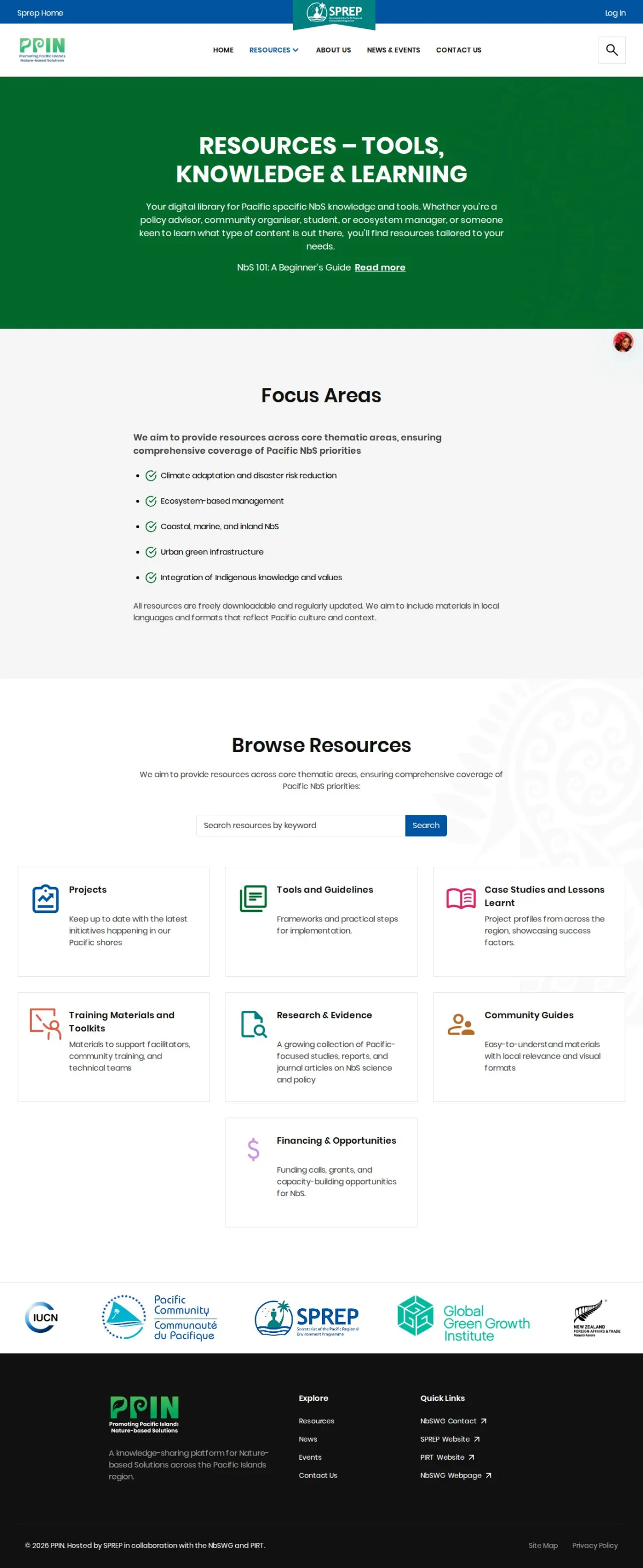
- A resource library organised into NbS Tools and Guidelines, Case Studies and Lessons Learned, Financing and Opportunities, Community Guides, Training Materials and Toolkits, and Research and Evidence, with an NbS 101 beginner's guide as a starting point and every resource free to download.
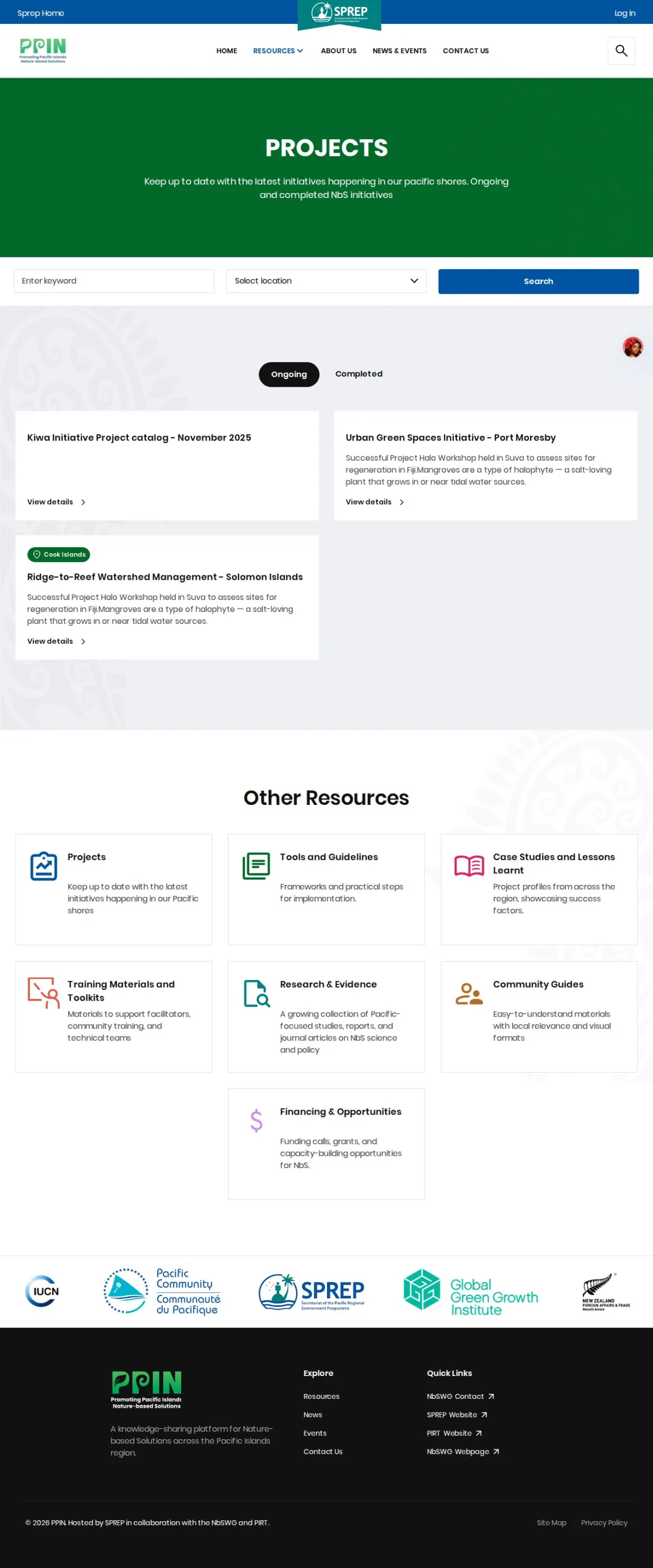
- Resource listings that filter by keyword, by location (from single countries to the Pacific region and global material) and by category such as framework, guideline, standard or tool, loading more results in place.
- A projects section showing ongoing and completed NbS initiatives, filterable by project title and location.
- Focus areas that frame the collection: climate adaptation and disaster risk reduction, ecosystem-based management, coastal, marine and inland NbS, urban green infrastructure, and Indigenous knowledge and values.
- A News and Events section covering policy and planning events, training and webinars, and community initiatives, with news tagged by the same programme categories used on sprep.org, such as Biodiversity Conservation.
- Community Voices, a section for grassroots perspectives, youth-led initiatives and short video stories.
- Site-wide keyword search, a contact page with a submission route for contributors, and member log-in.
- Links to SPREP, the NbSWG and PIRT, with the footer crediting the hub as hosted by SPREP in collaboration with the NbSWG and PIRT, and links to partners including IUCN, the Pacific Community, GGGI and New Zealand's Ministry of Foreign Affairs and Trade.
Our role
SPREP gave this project to us directly. We designed the site, built it in Drupal and maintain it now that it is live: UI/UX design, Drupal development and ongoing support.
Building from the sprep.org base ties the hub to our other SPREP work. We redesigned the main SPREP site and rebuilt its theme; the hub and PRISMSS were then developed from that base, while the SPREP Virtual Library and the Pacific Islands Roundtable site were built on their own. The hub links out to the Roundtable and to its Nature-based Solutions Working Group, and the Virtual Library lists the PPIN project among its project collections.
The result
The hub is live at pacificnbs.sprep.org and we maintain it. SPREP and the NbSWG Secretariat keep it updated, and it carries PPIN outputs as they are released, including the policy tools and guidelines for Fiji, Tonga and Vanuatu that appear in its news and resource listings.
Ms Utulei Lui, Project Manager for the PPIN project at SPREP, wrote this for our reviews page:
The Weebpal team are awesome and easy to work with. They have made the design and development of the "Pacific NbS Resource Hub" a breeze and they are quick, efficient and I am really happy with the quality of their work and I highly recommend them.
It is one of the sites SPREP has entrusted to us after the sprep.org redesign. More on work for public and intergovernmental bodies is on the government and nonprofit and intergovernmental pages.
Screens
If you are planning something similar
Each service page sets out how we run that work, what you receive and how it is priced.
Drupal Intranet and Portal Development
Staff intranets, member portals, document libraries and resource hubs on Drupal, organised for search, with roles that decide who sees and who publishes what.
Drupal Multisite and Site Families
One Drupal base for an organisation with many units: a shared design system, one path for updates, and a site for each unit with its own editors and address.
Enterprise Website Development
Public websites designed and built as a channel: design system, page speed, accessibility and several languages, with Drupal at the core.
More case studies
-
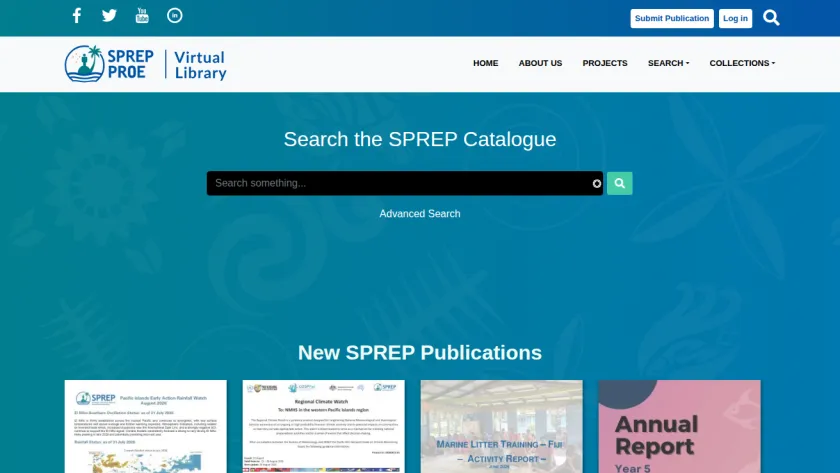
Government · Pacific Islands
SPREP Virtual Library
Digital repository for Pacific environmental knowledge
-
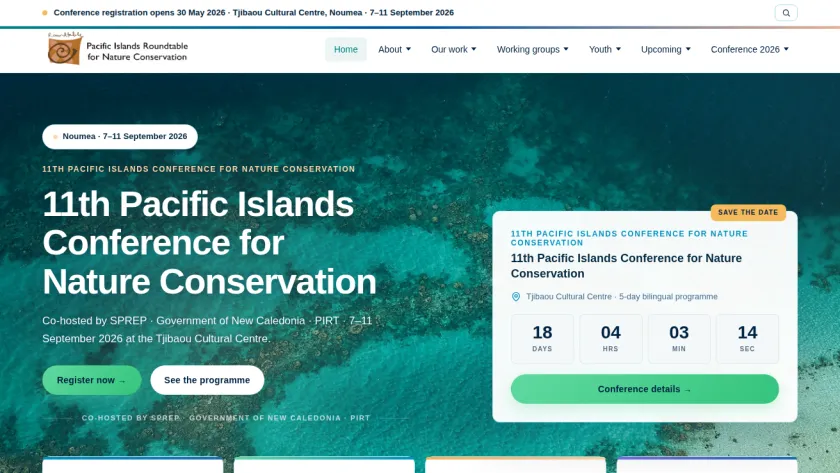
Government · Pacific Islands
Pacific Islands Roundtable
Regional coordination for Pacific nature conservation
-
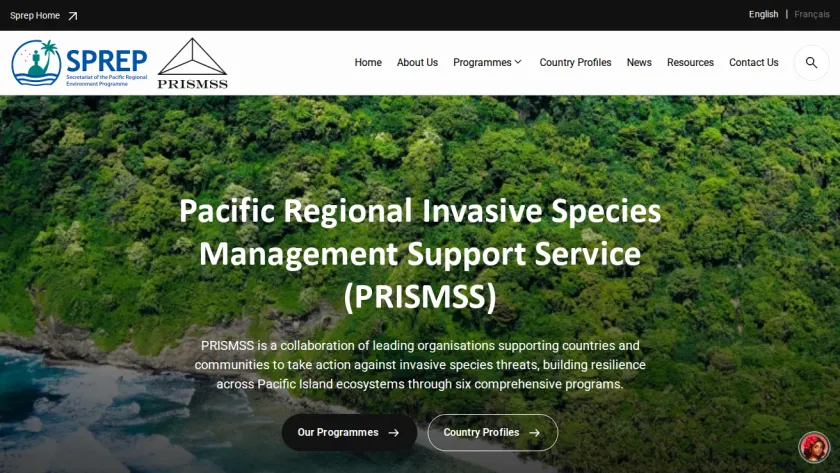
Government · Pacific Islands
PRISMSS
Pacific Regional Invasive Species Management Support Service
See it working before you commit
We build a working prototype first, so you decide against something real.