

Case study
PRISMSS
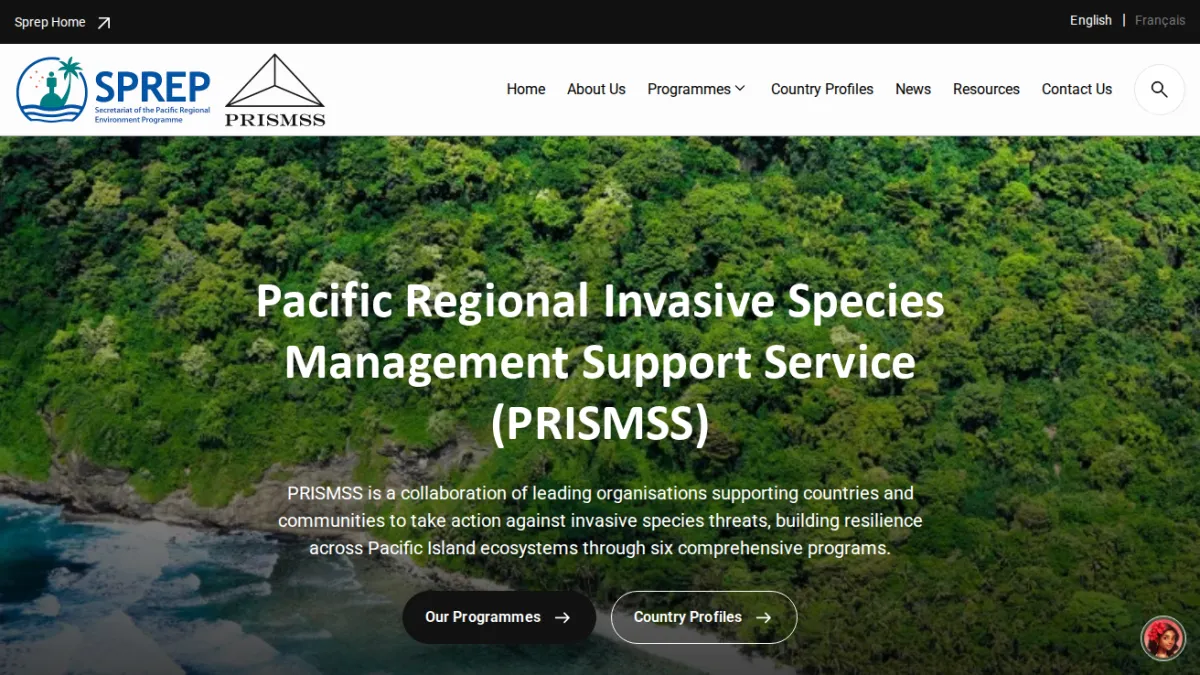
The Pacific invasive species support service presented in English and French, with programme work organised by country, designed and built by us for SPREP.
An engineer reads it and replies within one business day.
The client
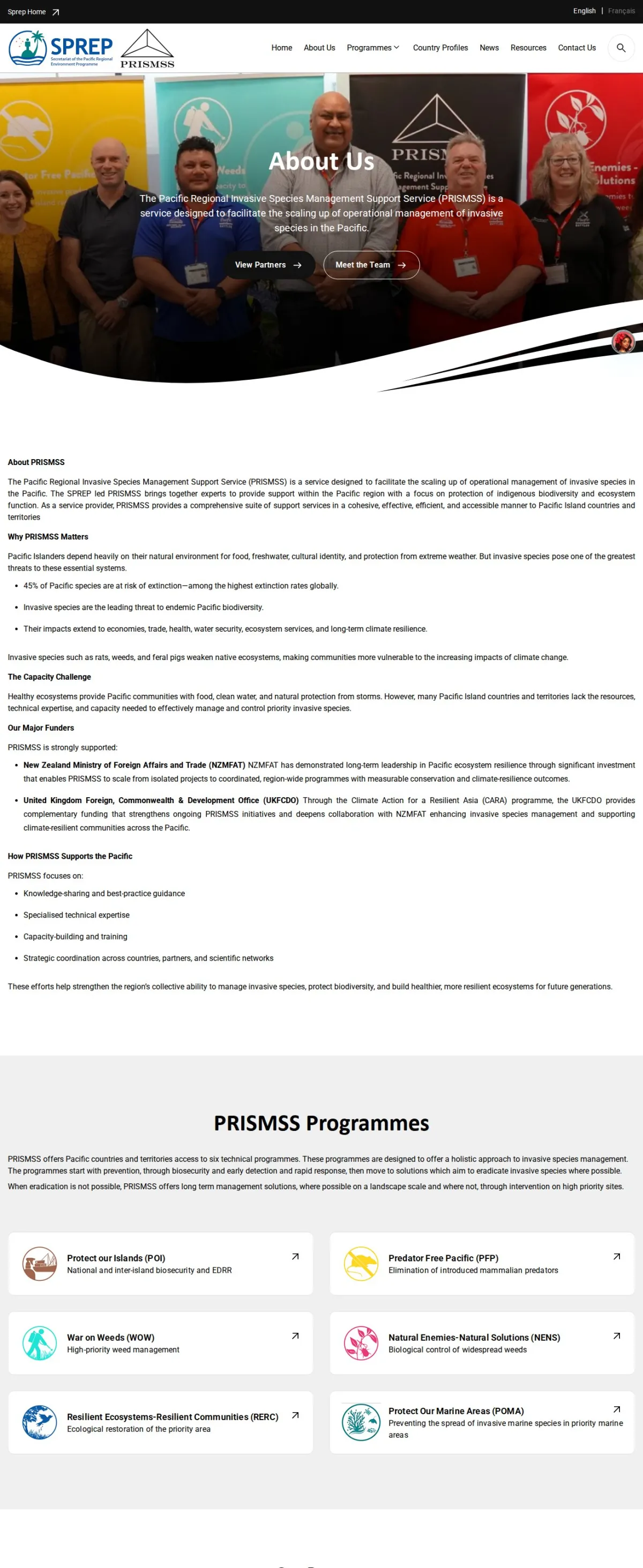
PRISMSS is the Pacific Regional Invasive Species Management Support Service. It is led by the Secretariat of the Pacific Regional Environment Programme (SPREP) and brings together partner organisations and experts to help Pacific island countries and territories manage invasive species, with a focus on protecting indigenous biodiversity and ecosystem function. It describes itself as a coordinating mechanism for scaling up the operational management of invasive species in the region.
Its site sets out the reason. Pacific islanders depend on their natural environment for food, fresh water, cultural identity and protection from extreme weather. Invasive species are the leading threat to endemic Pacific biodiversity, and their impacts reach economies, trade, health, water security and long-term climate resilience; rats, weeds and feral pigs weaken native ecosystems and leave communities more exposed to climate impacts. Many island countries and territories lack the resources and technical capacity to control priority invasive species on their own.
PRISMSS answers with technical programmes that countries can draw on, running from prevention to eradication and long-term management: Protect Our Islands (national and inter-island biosecurity, early detection and rapid response), Predator Free Pacific (eliminating introduced mammalian predators), War on Weeds (high-priority weed management), Natural Enemies-Natural Solutions (biological control of widespread weeds), Resilient Ecosystems-Resilient Communities (ecological restoration of priority areas) and Protect Our Marine Areas (stopping the spread of invasive marine species in priority marine areas).
PRISMSS was established in 2019 with the help of the Global Environment Facility's Regional Invasive Species Project. Its major funders named on the site are New Zealand's Ministry of Foreign Affairs and Trade and the United Kingdom's Foreign, Commonwealth and Development Office, which adds complementary funding through its Climate Action for a Resilient Asia programme.
The problem
PRISMSS is a service rather than a single project, and its site has to explain it as one: what each programme does, who leads it technically, which countries it is active in, and how a country asks for help.
The region it serves includes French-speaking members such as New Caledonia, French Polynesia and Wallis and Futuna, so the service has to be presented in French as well as English.
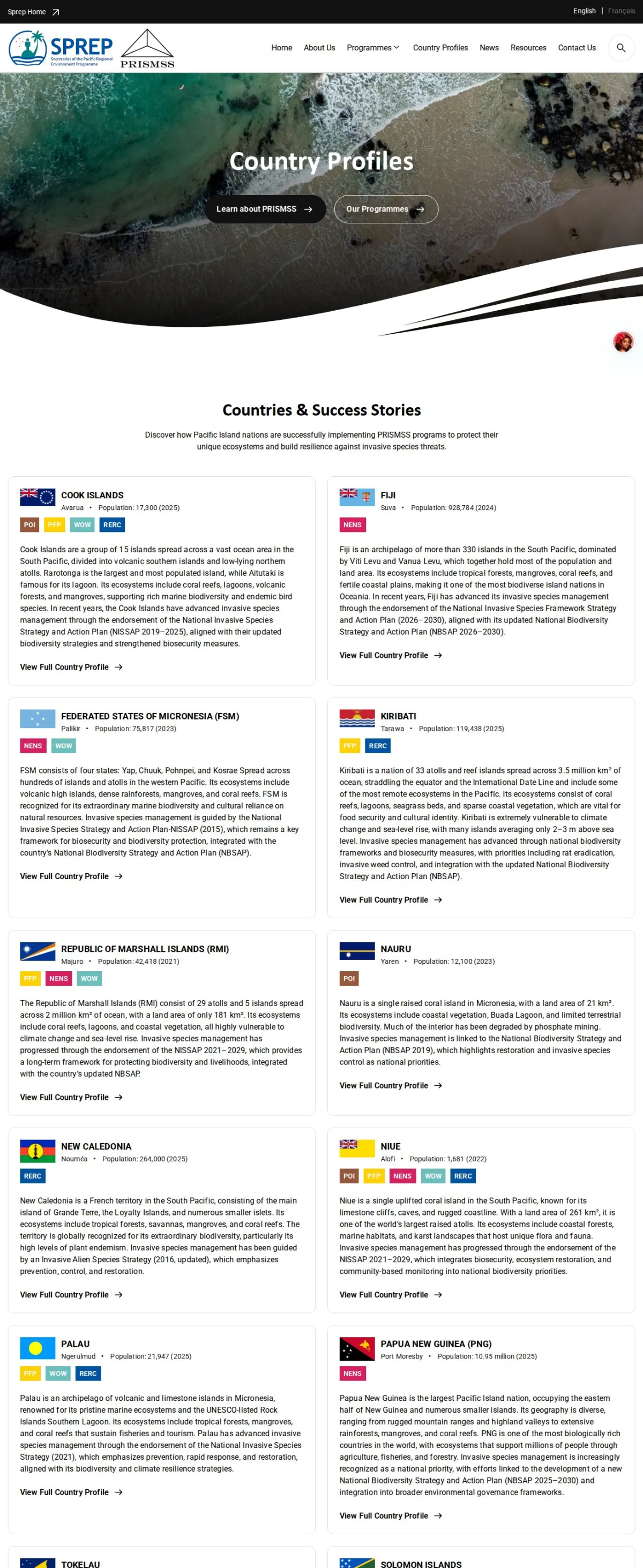
The country is the unit PRISMSS works through. Each country has its own national invasive species strategy, lead agencies and priority threats, and each takes part in a different mix of programmes. The site therefore organises programme work and activity outcomes by country, so members can see what is running where.
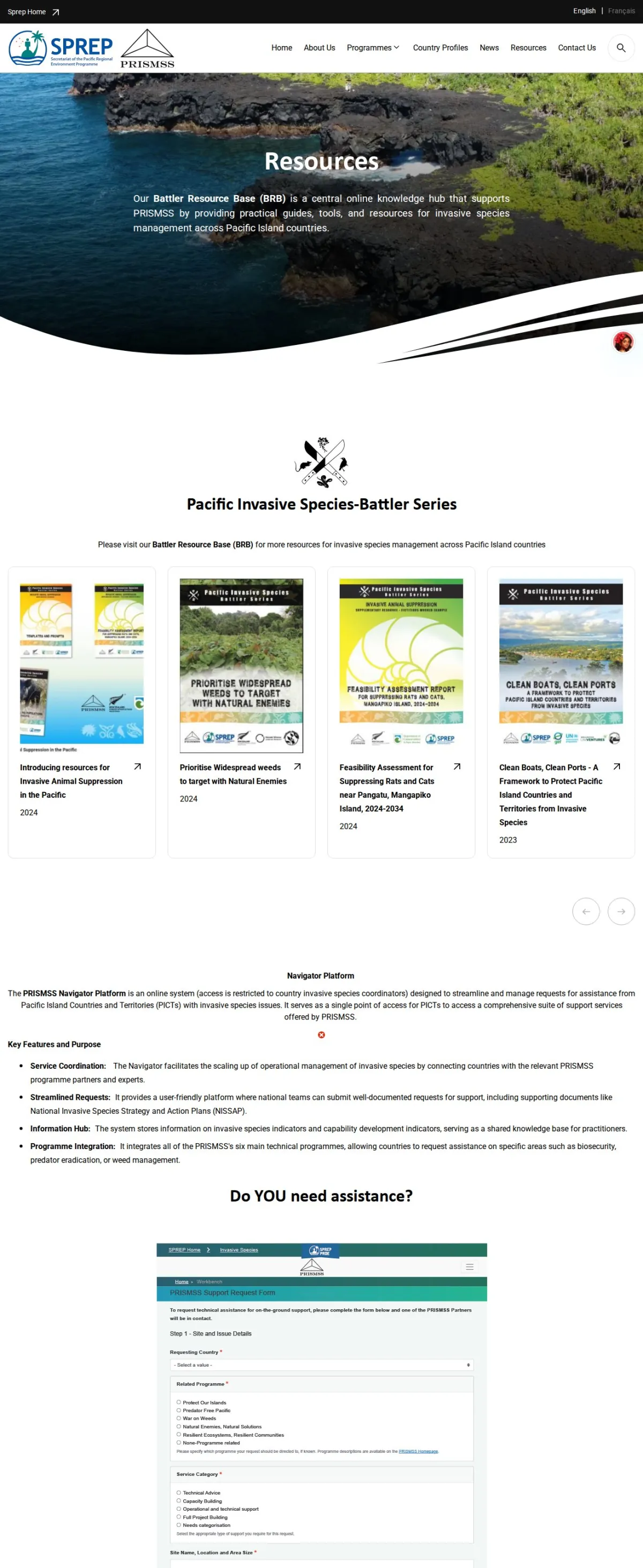
It also needs to connect to invasive species knowledge that already exists, such as SPREP's Pacific Invasive Species Battler Series, and to carry the news, photos and video that show the programmes at work.
What we built
We designed and built the PRISMSS site in Drupal, developed from the base of the sprep.org site. What it offers visitors today:
- The whole site in English and French, switchable from the header, with translated menus, headings and introductions.
- A programmes section with a page per programme covering its focus, its leading technical partners, its resources and how to request assistance. The Protect Our Islands page, for example, names SPREP as technical lead with support from the Pacific Community and links the clean boats, clean ports framework that guides the programme.
- Country profiles for participating countries and territories: capital, population, region, area, active programmes, biodiversity status, invasive species threats and national strategies, with links from each country to its programme sections.
- Homepage maps of programme work by country and activity outcomes by country, beside an "At a glance" panel for requests received, activities in progress and completed, and the value of activities.
- A resources page with downloadable Battler Series publications and a link to SPREP's Battler Resource Base.
- An audio, video and photo gallery filterable by programme and media type, with a choice of items per page.
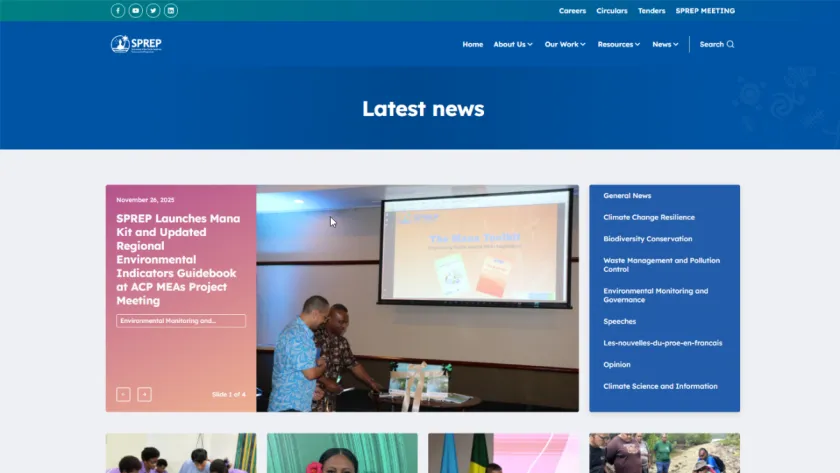
- News filterable by keyword and by the same categories used on sprep.org.
- Blocks presenting the organisations that power PRISMSS and its partners, shown across the site.
- An About page with partners and team, a contact page and site-wide search.
Our role
SPREP gave PRISMSS to us directly. We designed the site, built it in Drupal from the sprep.org base, and maintain it: UI/UX design, Drupal development and ongoing support.
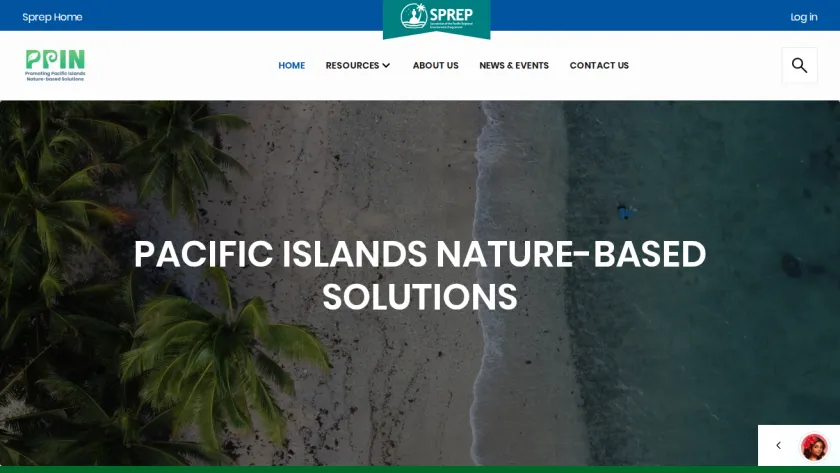
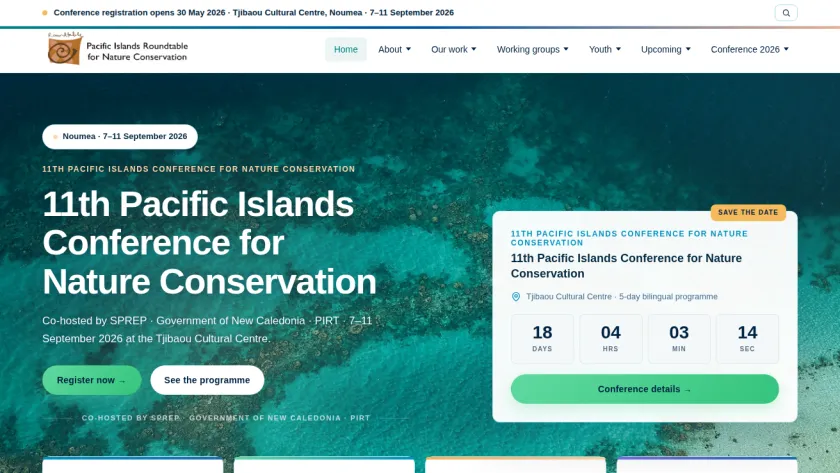
PRISMSS shares that base with the main SPREP site we redesigned: its news uses the same categories as sprep.org, and its header links back to SPREP. The Pacific NbS Resource Hub was developed from the same base, while the SPREP Virtual Library and the Pacific Islands Roundtable site were built separately.
The result
PRISMSS is live at prismss.sprep.org in English and French, and we maintain it. The site carries PRISMSS news as it happens, including coverage from the 11th Pacific Islands Conference on Nature Conservation in Noumea.
It is one of the sites SPREP has given us since the sprep.org redesign. More on this kind of work is on the government and nonprofit and intergovernmental pages.
Screens
If you are planning something similar
Each service page sets out how we run that work, what you receive and how it is priced.
Drupal Multisite and Site Families
One Drupal base for an organisation with many units: a shared design system, one path for updates, and a site for each unit with its own editors and address.
UI/UX Design for Web Platforms
Interface and UX design for portals, admin tools and public sites, handed over as a design system developers can build from.
More case studies
See it working before you commit
We build a working prototype first, so you decide against something real.